The Case Against Mickey Mouse: A Deep Dive
South Park's genius lies in taking a recognisable cultural figure and exposing the uncomfortable logic underneath. With Mickey Mouse, the show identified three interlocking tactics that any self-respecting evil dictator would recognise.
1. Intimidation as Management Style
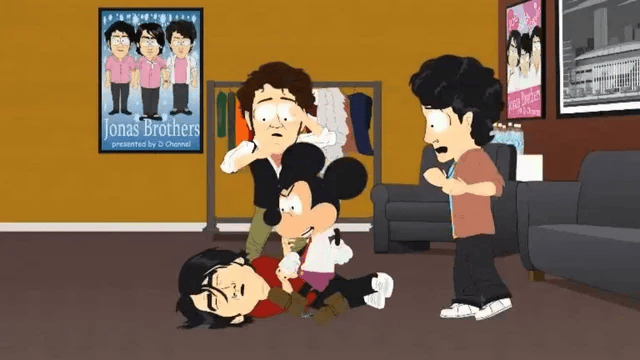
In South Park's portrayal, Mickey doesn't ask — he commands. Talent who step out of line are met with explosive rage, threats, and consequences. This mirrors real-world critiques of how large entertainment conglomerates manage their contracted stars: lock them into deals, control their public image, and make very clear what happens if they deviate from the brand.
2. The Monopoly Play
A dictator's first move is always to eliminate competition. South Park's Mickey operates in a world where Disney's reach is so total that resistance is futile. This satirises the real-world consolidation of media — where one company can own the studios, the streaming platforms, the theme parks, the merchandise, and the cultural conversation simultaneously.
3. The Suppression of Dissent
Perhaps most chillingly, South Park's Mickey wraps all of this in a veneer of cheerfulness. The smile never drops in public. The brand is always wholesome. Anyone who tries to point out the machinery behind the curtain is dismissed, marginalised, or simply bought out. Sound familiar?
4. The Purity Ring Gambit
In 'The Ring', Mickey's masterstroke is using the Jonas Brothers' purity rings to generate sexual tension among teenage girls — driving merchandise sales while maintaining plausible deniability behind a veneer of Christian values. It's cynical, it's brilliant, and it's the kind of move that would make Machiavelli nod approvingly.
South Park's satire works because it's not really about a cartoon mouse. It's about the way corporate power hides behind beloved symbols, and the way we let it — because the symbol makes us feel good.